
Founded in 1970. Never sold.
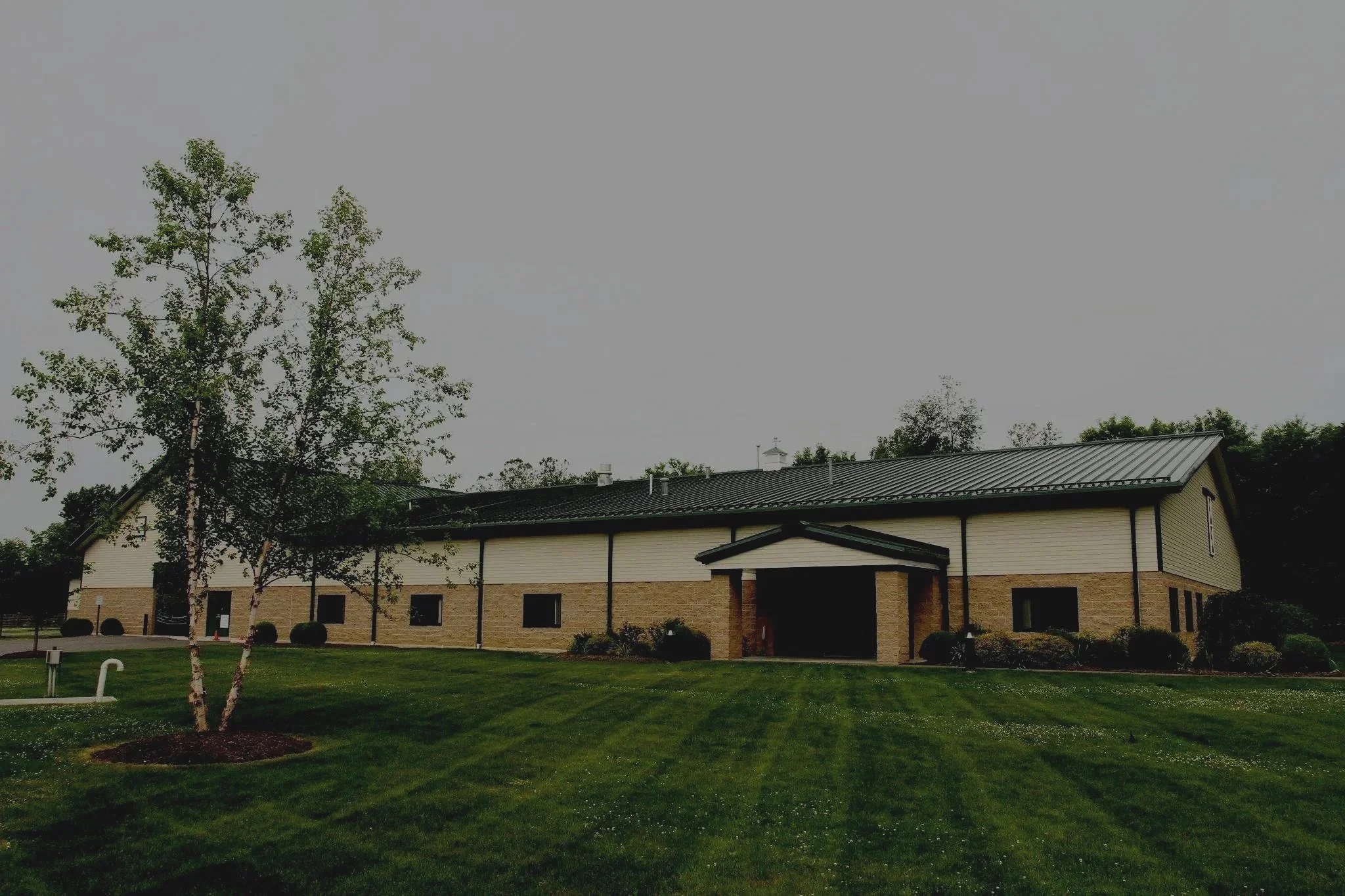
New England Equine Practice began as an ambulatory practice working out of trucks in the Hudson Valley. Fifty-six years later, it is a 29,000-square-foot hospital in Patterson, New York, and it is still owned and run by the veterinarians who work in it.
Equine medicine is consolidating. We have not followed it.
How the practice got here.

Two veterinarians and a truck
Dr. Joseph Heissan and Dr. Ronald Rosen founded New England Equine Practice as an ambulatory-only practice, seeing horses on farms across the Hudson Valley.

Surgery arrives
Dr. William Bradley joins, bringing surgical training from a residency at Kansas State. The practice stops being a farm-call operation and starts being a place horses come to.

Dr. Cook joins
Dr. Gabriel Cook arrives from a surgical residency at North Carolina State, by way of an internship at Rood and Riddle. He is a diplomate of the American College of Veterinary Surgeons.
The Patterson hospital
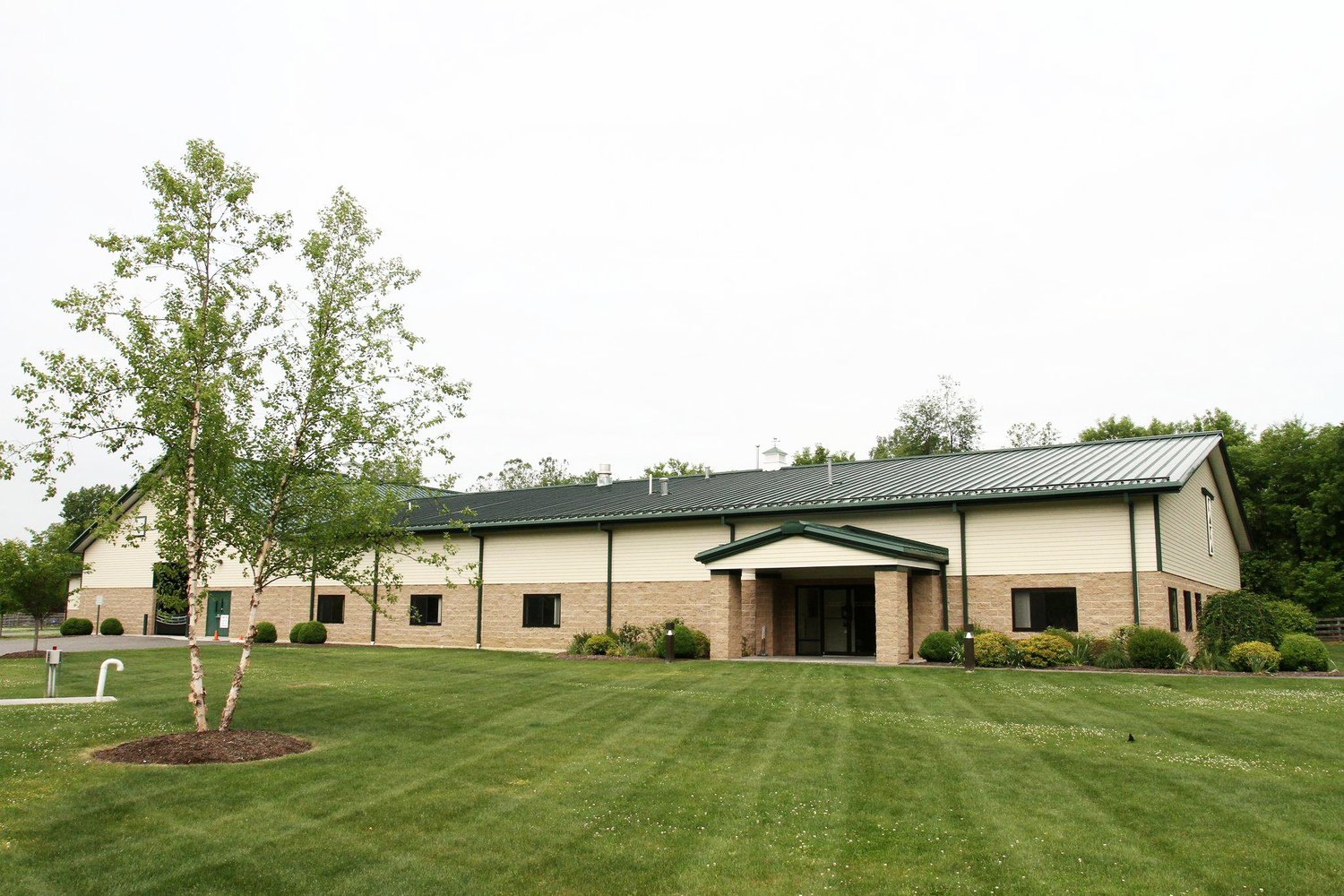
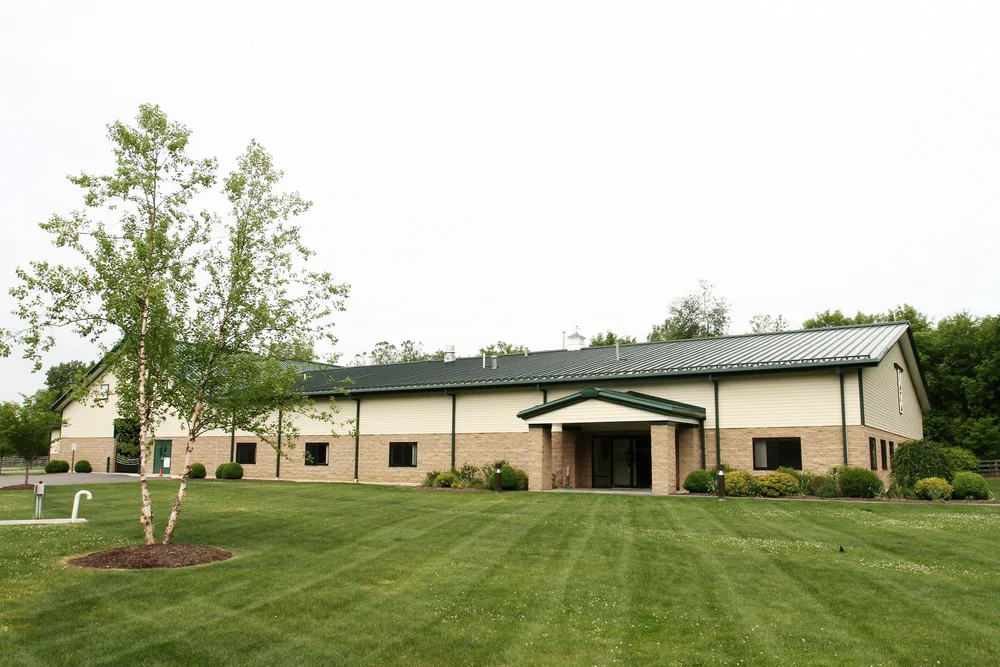
The practice moves into a purpose-built 29,000 square foot hospital on Route 22, with a surgical suite, intensive care, a dedicated isolation wing, and imaging under one roof.

A partnership
Dr. Cook becomes a full partner with Dr. Bradley. Ownership stays where it has always been, with the veterinarians treating the horses.

Still independent
Corporate groups have bought a great deal of equine practice in the last decade. This one is not for sale. The decisions about your horse are made by the doctors treating your horse.
Two veterinarians and a truck
Dr. Joseph Heissan and Dr. Ronald Rosen founded New England Equine Practice as an ambulatory-only practice, seeing horses on farms across the Hudson Valley.

Surgery arrives
Dr. William Bradley joins, bringing surgical training from a residency at Kansas State. The practice stops being a farm-call operation and starts being a place horses come to.

Dr. Cook joins
Dr. Gabriel Cook arrives from a surgical residency at North Carolina State, by way of an internship at Rood and Riddle. He is a diplomate of the American College of Veterinary Surgeons.

The Patterson hospital
The practice moves into a purpose-built 29,000 square foot hospital on Route 22, with a surgical suite, intensive care, a dedicated isolation wing, and imaging under one roof.
A partnership
Dr. Cook becomes a full partner with Dr. Bradley. Ownership stays where it has always been, with the veterinarians treating the horses.

Still independent
Corporate groups have bought a great deal of equine practice in the last decade. This one is not for sale. The decisions about your horse are made by the doctors treating your horse.

Privately and independently owned, managed, and operated.
A corporate group buying a practice does not change the sign on the building right away. It changes who decides. Which drugs are stocked, how long a horse can stay, whether a case that will not pay for itself is worth taking.
Those decisions are made here, by the people holding the lead rope. Nobody at New England Equine Practice reports to an owner who has never met a horse.
It is also why the same faces keep turning up. The veterinarian who answers at three in the morning has been here for years, and in some cases decades.
We run this like a university hospital. Board-certified and university-trained clinicians, specialists consulted on the cases that call for them, and advanced imaging read by board-certified radiologists. What independence changes is who grants permission, not how the medicine gets done.
Things are the worst thing they could possibly be, until you prove they aren't.
Twenty-nine thousand square feet, built for horses.
We built the hospital in 2007 for this work specifically. Everything a case needs is in the same building, so a horse can be diagnosed, operated on, and recover without moving again.
Surgical suite
Emergency and elective surgery, with recovery and intensive care immediately alongside.
Intensive care
Staffed overnight, every night, for the most critically ill horses and for compromised foals.
Isolation wing
A separate facility with its own handling protocols, approved to accept horses under USDA quarantine.
Imaging suites
Recumbent MRI, nuclear scintigraphy, digital radiography, ultrasound, and endoscopy.